For Our Mothers and Others — 5 Simple Ways to Reduce Your Exposure to Environmental Estrogens
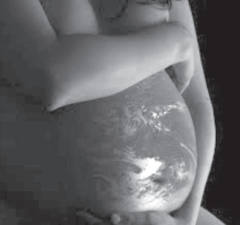
Spring: birds singing and nesting1 , hyacinths and lilac perfuming the air, delicate daffodils and vibrant tulips decorating homes and gardens — a yearly reminder of nature’s beauty, fertility, and that she is our source of life and sustenance. No wonder we’ve personified nature as a mother. We celebrate Mother Earth each spring with her own day, Earth Day. Spring is also the time of year when we stop to celebrate our marvelous mothers, the life-giving and nurturing2 forces in our lives. In honor of both Earth Day and Mother’s Day, here are some ideas to share with your mother, and others, on how we can treat Mother Earth with love and respect — AND potentially reduce the risk of breast cancer for all the women in our lives.
A potential risk factor for breast cancer is exposure to environmental estrogens. Environmental estrogens are any of a group of synthetic substances found in the environment that, when absorbed into a person’s system, function in a similar way to estrogen. Estrogen stimulates breast cell growth3 , and exposure to estrogen over long periods of time, without any breaks, can increase the risk of breast cancer. Whether environmental estrogens can fuel the growth of breast cancer is still being studied. But if there was a 10% chance that your plane had a significant mechanical problem, would you get on the flight? The following are five simple ways (there are others) to avoid exposure to environmental estrogens:
• Avoid pesticides containing DDT and dieldrin (look at the labels), and advocate4 for your schools and community to do the same.
• Avoid cooking with nonstick cookware: the perfluorooctanoic acid (PFOA) used to make products grease- and waterproof is an environmental estrogen. When the cookware is heated, PFOA can seep into your food.
• Avoid using plastic food containers, which may contain bisphenol A. Never heat plastic containers or use plastic wraps in the microwave — heating plastic causes the leaching5 of the environmental estrogens into your food.
• Avoid cosmetics or personal care products containing phthalates. Because phthalates are mainly used for fragrances, and often not required to be listed on product ingredients, using fragrance-free personal products would limit exposure. Recycle old electronics, including cell phones, hard drives, TVs and computer monitors, and batteries. The breakdown of the cadmium, nickel, and lead in these products form environmental estrogens that can seep into our soil and water supply.
How important is paying attention to environmental factors?A major study commissioned by Congress released in February 2013 concluded that “Primary prevention of new breast cancer cases requires identifying and reducing exposures that increase the risk of the disease, and fostering6 behaviors that may help to prevent it. The surest steps to reducing our risk of breast cancer are well established: maintain a healthy weight, exercise, eat nutritious food, avoid alcohol, and don’t smoke.
Adapted from: http://community.breastcancer.org/blog/for-our-mothers-and-others-environmental-estrogens
Marque o item que corresponde aos sinônimos das palavras enumeradas no texto.