BRUMADINHO, Brazil — Luiz de Castro was installing lamps at a mining complex in Brazil late last month when a loud blast split the air. He figured it was just a truck tire popping, but a friend knew better.
“No, it’s not that!” the friend said. “Run!”
Dashing up a staircase, caked in mud and pelted by flying rocks, Mr. Castro clambered to safety. But as he watched, a wall of mud unleashed by the collapse of a mining dam swallowed his co-workers, he said. Tiago, George, Icaro — they and at least 154 others, all buried alive.
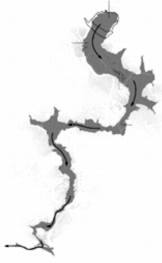
The deluge of toxic mud stretched for five miles, crushing homes, offices and people — a tragedy, but hardly a surprise, experts say.
There are 87 mining dams in Brazil built like the one that failed — enormous reservoirs of mining waste held back by little more than walls of sand and silt. And all but four of the dams have been rated by the government as equally vulnerable, or worse.
Even more alarming, at least 27 sit directly uphill from cities or towns, with more than 100,000 people living in especially risky areas if the dams failed, an estimate by The New York Times found.
In the disaster last month, all the elements for catastrophe were there: A barebones reservoir of mining waste built on the cheap, sitting above a large town nestled underneath. Overlooked warnings of structural problems that could lead to a collapse. Monitoring equipment that had stopped working.
And perhaps above all, a country where a powerful mining industry has been free to act more or less unchecked.
The threat of poorly constructed mining dams in Brazil goes far beyond one company. The latest deadly failure — the second in Brazil in three years — has made it clear that neither the mining industry nor regulators have the situation under control.
Vale S.A., the world’s largest iron ore producer, says it will close all 10 of its dams in Brazil with a design similar to the one it ran in the town, Brumadinho. Still, the company, which bought the mining complex in 2001, defended its management of the dam, which had been sitting there, inactive, since 2016.
This article is by Shasta Darlington, James Glanz, Manuela Andreoni, Matthew Bloch, Sergio Peçanha, Anjali Singhvi and Troy Griggs. https://www.nytimes.com/interactive/2019/02/09/world/americas/brazil-dam-collapse.html
A ideia central do texto é