Looking Beyond First-World Problems
Each year, the developed world is flooded with complex new medical technologies, from robotic prosthetics to remote-controlled aspirin implants. Meanwhile, only about 10% of health research funds are spent addressing the pressing problems of developing nations, although these countries make up 93% of the worldwide burden of disease. In short, while a small fraction of the world pops brand-name pharmaceuticals, the majority suffers from poor sanitation, contaminated drinking water, preventable disease, and child mortality.
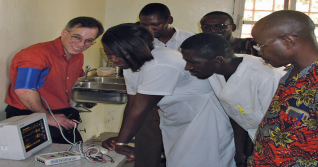
The mandate to improve world health is clear—four out of eight of the United Nations’ (UN’s) Millennium Development Goals pertain to global health. The problem is that more than 95% of health equipment used in developing nations is actually manufactured for first-world countries. The World Health Organization estimates that seven times out of ten, this equipment doesn’t work upon arrival as it is not appropriate for being used there. This is why many innovators will tell you that simply designing for the developing world isn’t enough: social, cultural, and economic factors pose challenges that hinder success in these markets. Instead, many engineers are looking toward a multifaceted approach that includes training local engineers in these environments and involving the end user in the many phases of design so that adaptation is ultimately achieved and sustained.
www.pulse.embs.org
To have an effective result in addressing the health issues of the developing world, the medical technologies which pop up in the developed world: