Fuvest 2026 · Questão 66
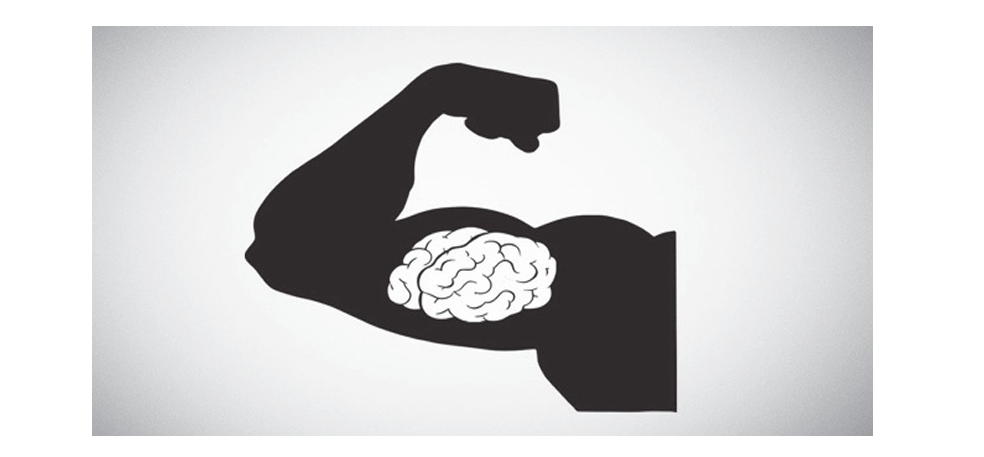
Researchers investigated the quantities of thousands of muscle proteins and found a possible new explanation for muscle memory. A study showed for the first time that muscles "remember" training at the protein level. It is often thought that the effects of exercise are short-lived, and a break from the gym can cause stress over muscle loss. However, the research has shown that this stress is partly unnecessary, as the effects of resistance training persist in muscles for up to two months and the gains are fast when training is started again. But what mechanisms and changes at the cellular and molecular levels explain muscle memory? In the study, ten weeks of resistance training was followed by a break of the same length and then followed by another ten weeks of resistance training. Using the proteomics method, it was possible to study the quantities of over 3,000 muscle proteins using advanced mass spectrometry equipment. The study found two types of change profiles in muscle proteins. Some proteins changed as a result of training, returned to their pre-training state during the break, and changed again during the new training period similarly to the first training period. These included proteins related to aerobic metabolism. Another group of proteins changed as a result of training and remained changed during the break and after the new training period. Among these proteins were several calcium-binding proteins, such as calpain-2, whose gene has recently been identified to retain a memory trace even after a training break. "At the level of the number of muscle nuclei and the memory traces of genes, that is, epigenetics, long-term responses that persist even after a break and possibly explain 'muscle memory' have previously been observed," says a researcher. "Now, for the first time, we have shown that muscles 'remember' previous resistance training at the protein level for at least two and a half months."
Disponível em https://jyu.fi/en/news/. 14 April 2025. Adaptado.
Segundo o texto, os experimentos demonstram que
Resolução passo a passo com explicação detalhada
Biologia > Nutrição e Metabolismo > Bioquímica e Metabolismo de Macronutrientes
