Texto 2
A THIRD OF THE WORLD'S FOOD IS WASTED – HOW CAN WE STOP THE ROT?
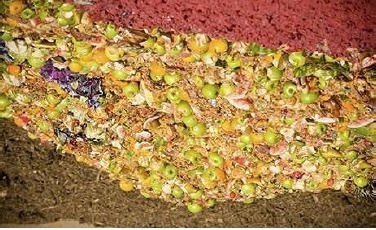
Change is needed across the whole supply chain if we want to reduce the amount of food the world wastes. Photograph: Alamy
Around a third of all the food produced in the world ends up being wasted somewhere along the production and consumption line, according to the UN's Food and Agriculture Organisation. In the United Kingdom (UK), 50% of food waste occurs in the home: we throw away 7.2m tonnes of food and drink every year. That means the average household is putting £480 in the bin, rising to £680 for families with children. The rest of the waste takes place back up the supply chain, mostly on farms, but also during transport and in stores.
The consequences of all this waste go far beyond the burden on individual wallets – the land, water, fertilisers and labour that go into producing the food are also wasted, and we are left with the greenhouse-gas emissions from landfill and transport.
There are around 842 million hungry people in the world and the global population is expected to rise from seven billion to nine billion by 2050. Reducing food waste – not just in the UK, but throughout the world – would help to address this hunger and reduce the environmental cost of throwing food away. But how can we do it?
This was the subject of a roundtable event hosted by the Guardian and Tesco, which last month published waste figures for commonly purchased products in partnership with its suppliers and WRAP (Waste and Resources Action Programme for the Global Commission on the economy and climate).
In the first six months of this year, Tesco revealed, its stores and distribution centres generated 28,500 tonnes of food waste, 21% of it from fruits and vegetables, and 41% from bakery items.
The roundtable was attended by experts from industry, research organisations and campaigning groups, all of whom agreed that the problem of food waste has become more urgent. One reason for this is the rise in food prices in recent years, which has placed food security higher up the political agenda. "Food prices have doubled over the past decade after a century of declining prices," said Matt Simister, group food commercial director at Tesco. "In a world of seven billion people, one billion go to bed hungry, while many others are obese. How do we balance the system? We can be more productive or waste less – or a balance of the two."
By Caspar van Vark
Disponível em: https://www.theguardian.com/global-development-professionals-network/2013/nov/07/stopping-the-rot-in-the-food-supplychain. Adaptado.
Sobre o texto 2, considere os aspectos analisados a seguir:
I. Na frase: “The rest of the waste takes place back up the supply chain, mostly on farms, but also during transport and in stores.”, a expressão sublinhada corresponde, em português, a “cadeia de abastecimento”.
II. No trecho: “Tesco revealed, its stores and distribution centres generated 28,500 tonnes of food waste, 21% of it from fruits and vegetables, and 41% from bakery items.”, o possessivo em destaque faz referência ao termo bakery.
III. Na frase “Reducing food waste …” (3º parágrafo), a forma verbal sublinhada corresponde, na Língua Portuguesa, ao uso do infinitivo.
IV. No último parágrafo, a pergunta „How do we balance the system?‟ é motivada pelo contraste existente nesse contexto, com a intenção de propor um equilíbrio entre produção e consumo.
V. No 4º parágrafo, as palavras subject e figures, ambas destacadas no texto, são cognatas.
Está CORRETO o que se afirma, apenas, em