TEXTO:
Cutting back on salt, high fat foods and too many
breads and pasta, and eating more fruits and vegetables
is the best way to a healthy heart. However, experts
from the American Heart Association (AHA) say that
[5] paying attention to how often you eat, and at what time
of the day you eat, can help to lower risk of heart attacks
and stroke.
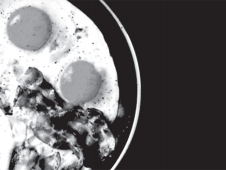
Based on what’s known so far, the panel, led by
Marie-Pierre St-Onge, supports existing advice about the
[10] benefits of breakfast. That advice is based on studies
that compare breakfast-eaters to non-eaters and their
heart disease events. Breakfast-eaters tend to have lower
rates of heart disease, and were also less likely to have
high cholesterol, and high blood pressure. They also
[15] tended to have more normal blood sugar levels and sugar
metabolism, meaning they were at lower risk of diabetes
than those who didn’t eat breakfast.
As to the question of what effects eating earlier in
the day or later in the day can have on heart health, the
[20] panel found that the research points toward the benefits
of eating earlier rather than later. More studies are needed
but the initial finding makes sense, says St-Onge. The
more calories you eat during the day, the more chances
you have of burning off those calories. Plus, there’s
[25] growing evidence that the body’s metabolism is different
during the day, when the body is active, than during the
evening, when it’s preparing to shut down. “The body
and all of the organs have clocks,” she says. “There is a
timing that provides all the nutrients that organs need,
[30] and the timing activity of enzymes and other agents that
process food are better earlier in the day than at night.”
CUTTING BACK on...Disponível em: <https://www.yahoo.com/lifestyle/ science-says-snacking-breakfast-002604856.html>. Acesso em: 12 out. 2017.
As far as enzymes are considered, Dr St-Onge says that