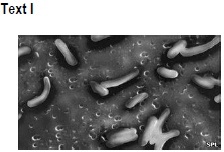
The cholera outbreak in central Haiti that so far has killed more than 250 people and infected more than 3,000 is the worst health challenge the country faces since the earthquake in January. There had been no documented outbreak of the disease in Haiti since 1960. The US Centers for Disease Control and Prevention (CDC) said after the earthquake that while cholera testing should be carried out, the disease was "extremely unlikely to occur". So why has the epidemic struck now?
It is not clear if the cause of the outbreak will ever be identified, but health experts agree that for cholera to occur, bad sanitation and hygiene have to coincide with people carrying the Vibrio Cholerae bacterium. Sanitary conditions were poor in many parts of Haiti even before the earthquake, and Dr Brigitte Vasset from the international humanitarian organization Medecins Sans Frontieres (MSF) in Paris is reluctant to link the outbreak directly with the quake. "Central Haiti - where most people have been infected - was not the region most affected by the earthquake," she says. While many displaced people might have sought refuge in the Artibonite region after the disaster, cholera bacteria could have been present in the Artibonite river or a stagnant water source even before the earthquake, Dr Vasset says. She also points out that while no cases of cholera have been reported from rural areas, this does not mean that it has been completely absent. "In many African countries there are sporadic cases during the year, then the weather changes or other conditions change, and all of a sudden there is an outbreak," Dr Vasset says, adding that the disease is difficult to predict. "I have worked in refugee camps where we expected a cholera outbreak - and it never came," she says.
Sarah Morgan, Senior Health Programme Adviser at aid agency World Vision, agrees that it is possible low-level cholera was present in Haiti all along. "Surveillance data on cholera in Haiti are not available," she says. However, watery diarrhea has been common in the country, causing 5% to 16% of the deaths among Haitian children, according to CDC data. With diarrhea so prevalent and no stringent monitoring by health authorities and 80% of those with symptoms showing only moderate signs of infection, sporadic cases of cholera might not have registered. "While there might have been no significant outbreak of cholera, it is possible that there was a background level of the disease," Ms Morgan says. That cholera has now been picked up so quickly after the outbreak in the Artibonite region is a great success for Haiti's health authorities and international organizations working the country, she adds.
Source: BBC News (Adapted from http://www.bbc.co.uk/news/world-latin-america, October/2010)
What is the best title for the text?