TEXT A
The Real Science of Star Trek
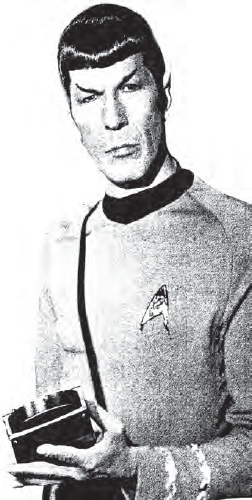
Since its first TV episode aired 50 years ago this month, Star Trek has boldly gone where no science fiction has gone before. Through 13 films, six TV series, and a small galaxy of books, games, and other spin-offs, it’s won new fans, inspired real-world innovators, and been a fixture in the pop culture firmament.
The secret of its highly logical success? “Taking real science seriously,” says Andrew Fazekas, author of a new book on the series’ fact-based astronomy and prescient technology. Unlike more far-fetched sci-fi, Star Trek plots are built on plausible science, he says. Yet, they’re always rooted in the spirit of adventure – the innate human urge to explore.
Carolyn Porco, a planetary scientist at the University of California, Berkley and an adviser on the 2009 film, has been a fan of the franchise since its debut. For her, Star Trek offers optimism – “a golden utopian vision of ourselves” and the comforting assurance that humanity has “a future beyond Earth.”
Jeremy Berlin, National Geographic, September, 2016
Carolyn Porco, a planetary scientist at the University of California, Berkley and an adviser on the 2009 film, has been a fan of the franchise since its debut. For her, Star Trek offers optimism – “a golden utopian vision of ourselves” and the comforting assurance that humanity has “a future beyond Earth.”
Jeremy Berlin, National Geographic, September, 2016
TEXT A suggests that the message offered by the Star Trek series is