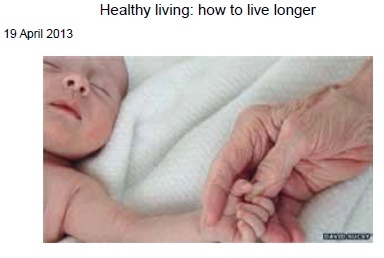
Some aspects of our health and vitality are governed by our genes and how our mother behaves during pregnancy, but many lifestyle factors, including fitness, diet and weight all impact on our ability to live a long and healthy life.
Even before we are born, our health can be affected by the lifestyle choices our mother makes. Studies have shown that if an expectant mother is highly stressed this may impact on their baby, leaving them less able to handle stress later in life.
Heavy drinking during pregnancy can lead to foetal alcohol syndrome in babies – which can cause a life-long learning disability as well as physical problems. Smoking can also affect their development. Research also suggests a pregnant woman’s diet can increase her child’s risk of obesity by changing the unborn baby’s DNA. Having a happy childhood may boost longevity, as a study suggests those who are unhappy in their youth have a greater risk of heart disease as adults.
Getting outdoors is also key, as sunlight is an important source of vitamin D. At present one in four children are deficient in this vitamin, which is needed for building strong and healthy bones. Vitamin D helps our bodies to absorb calcium and phosphorus from our diets.
The pressures of home and family life can make it feel like there’s little time to exercise. Aside from weight loss, there is a lot to gain from exercise and it can make a huge difference to staying healthy:
• Exercise means a healthier heart because it reduces several cardiovascular risks, including high blood pressure and heart disease.
• Being physically active can bolster good mental health and help you manage stress, anxiety and even depression.
• Regular exercise can help you achieve and maintain an ideal weight and reduce the risk of diabetes.
• Weight bearing exercise, such as running is especially good in promoting bone density and protecting against osteoporosis – which is when bones become thin, weak and break easily.
Although there are measures we can take to help us live a long and healthy life, there may be an element of luck involved – depending on our DNA. Much research into ageing has been focused on the role of telomeres. These are the protective tips found at the end of chromosomes, sometimes likened to the tips of shoelaces. Their role is to safeguard the end of the chromosome and to prevent the loss of genetic information during cell division.
Each time our cells divide, the tips of our telomeres become shorter. Eventually they become so short, they stop our cells dividing which means the cells die, which is how we age. Studies have revealed that longer telomeres have been linked to a longer lifespan, while shorter telomeres have been linked to diseases such as heart disease and dementia. Longer telomeres can also be inherited by the next generation. Maybe one day in the future, we will be able to predict how long we will live for.
(www.bbc.co.uk. Adaptado.)
No quinto parágrafo, a expressão “aside from” é empregada com sentido de