INSTRUCTIONS – Read the following text carefully and then choose the correct alternatives that answer the questions or complete the statements placed after it. Attention: take your answers from the text!
WORLD MS DAY: WORKING TOWARDS A BRIGHTER FUTURE
Main Category: Multiple Sclerosis
Article Date: 29 May 2012 - 9:00 PDT
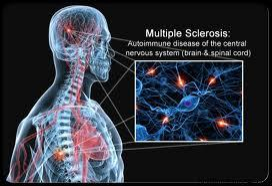
Today (May 30th) is World MS day (WMSD), an annual global awareness raising campaign for multiple sclerosis - a debilitating disease which affects the lives of more than two million people around the world.
In the run-up to WMSD, patient advocacy groups from twenty countries met last weekend in Zurich, Switzerland (May 24th) at a unique Patient Summit which brought together MS societies, activists, MS bloggers and social media experts to learn from each other about how to communicate the challenges of living and working with MS to a wider audience.
MS is the leading cause of neurological disability among young and middle-aged adults.
Symptoms usually start between the ages of 25 and 31 - a time when adult life is just beginning, when careers are being launched and when plans are being laid for the future. One of the most devastating consequences of MS in this relatively young population is unemployment. A key objective of the Patient Summit was to debate how best to convince employers and policy makers that helping people with MS to remain actively employed is good for both patients and for society.
There is growing evidence that helping people with MS continue to work can play a vital role in their well-being,, said Christoph Thalheim, Deputy CEO & Director of External Affairs for the European MS Platform (EMSP) which represents the interests of 38 MS Societies and more than half a million people affected by MS.
Mr Thalheim presented poignant photographs and stories collected as part of the 'UNDER PRESSURE' exhibition, which launched last month at the European Parliament, Brussels. The moving images of patients and their carers together with their personal testimonies vividly demonstrate how national health and social policies influence - for better or worse - those living with MS.
Further MS testimonies are being collected as part of World MS Day, which this year is built around the '1000 Faces of MS' concept. This puts people with MS at the heart of the campaign. People living with and affected by MS can create an on-line 'postcard' to share their story with the world.
At the Zurich meeting, Mr Thalheim said that although progress has been made in improving MS care, many EU countries still have far to go. The EMSP has been tracking the wide disparities in MS care which currently exist between eleven EU countries - such as the continuing shortage of neurologists in Ireland, inconsistent access to treatment in the UK, low access to medication in Belarus and Poland. In Greece the MS Society has made many gains, but fears these may lost due to the current economic crisis, he said.
Available on: www.isaude.net
All elements listed below are part of disparities in multiple sclerosis care, EXCEPT