The Flowering of Human Consciousness
Earth, 114 million years ago, one morning just after sunrise: the first flower ever to appear on the
planet opens up to receive the rays of the sun. Prior to this momentous event that heralds an evolutionary
transformation in the life of plants, the planet had already been covered in vegetation for millions of years.
The first flower probably did not survive for
[05] long, and flowers must have remained rare
and isolated phenomena, since conditions
were most likely not yet favorable for a
widespread flowering to occur. One day,
however, a critical threshold was reached,
and suddenly there would have been an
explosion of color and scent all over the
planet. Later, this first recognition of beauty
was one of the most significant events in
the evolution of human consciousness.
[15] The achievements of humanity are
impressive and undeniable. We have
created sublime works of music, literature,
painting, architecture, and sculpture. More recently, science and technology have brought about radical
changes in the way we live and have enabled us to do and create things that would have been considered
[20] miraculous even two hundred years ago. No doubt the human mind is highly intelligent. Yet its very intelligence
is tainted by madness. Science and technology have magnified the destructive impact that the dysfunction
of the human mind has upon the planet, other life-forms, and upon humans themselves. That is why the
history of the twentieth century is where that dysfunction, that collective insanity, can be most clearly
recognized. A further factor is that this dysfunction is actually intensifying and accelerating.
[25] We only need to watch the daily news on television to realize that the madness has not abated, that
is continuing into the twenty-first century. Another aspect of the collective dysfunction of the human mind is
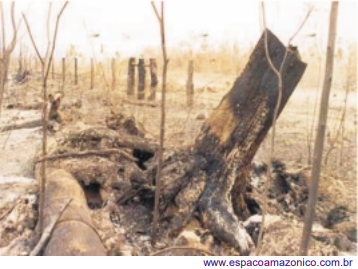
the unprecedented violence that humans are inflicting on other life-forms and the planet itself - the destruction
of oxygen-producing forests and other plant and animal life; ill-treatment of animals in factory farms; and
poisoning of rivers, oceans, and air. Driven by greed, ignorant of their connectedness to the whole, humans
[30] persist in behavior that, if continued unchecked, can only result in their own destruction.
When faced with a radical crisis, when the old way of being in the world, of interacting with each other
and with the realm of nature doesn’t work anymore, when survival is threatened by seemingly insurmountable
problems, an individual life-form - or a species - will either die or become extinct or rise above the limitations
of its condition through an evolutionary leap.
[35] Responding to this radical crisis that threatens our very survival is humanity’s challenge now. A
significant portion of the earth’s population will soon recognize, if they haven’t already done so, that humanity
is now faced with a stark choice: evolve or die.
Adapted from Eckhart Tolle, A New Earth: Awakening to your life’s purpose.
In the fourth paragraph, the repetition of the connective WHEN indicates: