You are not alone: dealing with the epidemic of chronic loneliness
Loneliness is worse for you than smoking, and more harmful than obesity. As the number of lonely people in the UK swells, we investigate why feeling alone literally hurts, and how we can stop it from making us ill. By Moya Sarner 19th June, 2019 Today, society is becoming ever more divided. But if there is one thing that’s bringing everyone together, it’s loneliness. Scientists, doctors, charity workers and politicians from across the political spectrum all agree that the loneliness epidemic is a big problem.
By Moya Sarner
19th June, 2019
Today, society is becoming ever more divided. But if there is one thing that’s bringing everyone together, it’s loneliness. Scientists, doctors, charity workers and politicians from across the political spectrum all agree that the loneliness epidemic is a big problem.
A report published in December 2017 by the Jo Cox Commission revealed the staggering extent of loneliness in the UK. Almost one-quarter of parents surveyed by the charity Action for Children said they were “always or often lonely”, more than one-third of people aged 75 and over told Independent Age that their “feelings of loneliness are out of their control”, and over the course of a year more than 4,000 children called Childline because they felt unbearably lonely – some as young as six years old. One recent study found that nine million adults in the UK suffer from chronic loneliness: if all the lonely people moved to one city, it would be bigger than London.
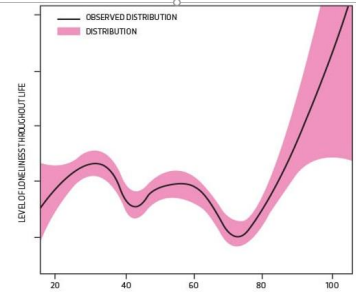
Contrary to stereotypes, research has found that loneliness is not restricted to old age. Research published in Developmental Psychology surveyed 16,132 people and found that while the causes of loneliness in the elderly is well understood, less is known about what causes it in youngsters.
This isn’t just sad – it’s dangerous. Research shows that experiencing chronic loneliness is as bad for our health as smoking 15 cigarettes a day, and worse than obesity. It is associated with an increased risk of developing coronary heart disease and stroke, and increases your likelihood of early mortality by 26 per cent.
But how does this happen? How can an emotional experience be so bad for our physical health? Prof Steve Cole, a medicine and genomics researcher at the University of California, Los Angeles, says part of the answer may lie in the impact loneliness has on our immune system. His research shows that people experiencing chronic loneliness undergo a shift in the molecular programming of their immune cells: instead of being primed to fight viruses, their bodies prepare to fight bacterial infection – the kind that follows a wound or injury. This is the temporary state the body switches into with the fight-or-flight response; the crucial difference is that lonely people get stuck there.
Long term, this leads to higher levels of inflammation, which in turn contributes to cancer, heart attacks, Alzheimer’s and depression. “Loneliness, oddly enough, is one of the most threatening states we confront,” Cole explains.
(Fonte: http://www.sciencefocus.com/thehuman-body/you-arenot-alone-2/)
Analise as afirmações sobre o texto You are not alone: dealing with the epidemic of chronic loneliness.
I. Segundo Moya Sarner, a solidão só não é pior do que o tabagismo e a obesidade.
II. Não somente adultos e idosos sofrem de solidão crônica, como também crianças de até 6 anos de idade. Sarner reporta que mais de 4 mil crianças ligaram, no período de um ano, para o Childline por se sentirem muito sozinhas.
III. De acordo com o gráfico e sua legenda, a solidão não é restrita à idade. Muito se sabe sobre a solidão crônica tanto em idosos quanto em crianças.
IV. O professor Steve Cole explica que a solidão crônica pode afetar nosso sistema imunológico e, a longo prazo, pode contribuir para o surgimento de câncer, ataque cardíaco, mal de Alzheimer e depressão.
Estão corretas apenas