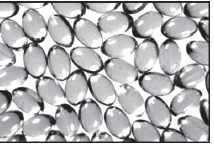
If you’re like most Americans, you probably pop a
multivitamin or some other supplements every day. After
all, our diets are notoriously nutrient-deficient, and who
has time to eat good-for-you fruits and vegetables all the
5 time? A pill packed with the essentials for combating
cell damage seems like a good back-up plan to keep the
body fueled with the vitamins and minerals it needs.
Except that the latest studies don’t support that idea.
Here’s what the latest data show.
10 In its most recent recommendation, the U.S.
Preventive Services Task Force (USPSTF), a panel of
experts convened by the government to evaluate existing
studies and issue guidelines to help doctors treat their
patients, could not find enough evidence to support using
15 multivitamins to prevent heart disease and cancer. The
vitamins were believed to have antioxidant effects that
could fight inflammation and the oxidative damage to cells
that can trigger tumors. But the bulk of studies did not
support such a relationship.
20 Vitamin E and beta carotene do not protect against
heart disease and cancer. In fact, among people
vulnerable to lung cancer, beta carotene increased their
risk for developing tumors. Vitamin E did not show a
strong effect in lowering rates of either heart problems or
25 cancer, and some studies linked the supplement to a
higher risk of prostate cancer in men.
Also, after reviewing the available evidence in 2013,
the USPSTF concluded that there was not enough
evidence to support a connection between calcium
30 supplements and a lower risk of fractures. Healthy
women, it said, did not need to take the 1,000 mg of
daily calcium that most doctors had been recommending
to their patients. In fact, scientists from Germany and
Switzerland found the supplements could even do harm;
35 among a group of 24,000 adults followed for about 11
years, those who took calcium supplements had an 86%
increased risk of heart attack compared with those who
did not rely on the pills.
Despite this growing body of scientific evidence,
40 more than half of Americans take some type of vitamin,
mineral or nutritional supplement, spending nearly $12
billion a year on the pills. For most healthy adults who
are not medically deficient in these vitamins or nutrients,
however, doctors say that a healthy diet will likely provide
45 them with enough nutrients. And sometimes, too much
of the supplements can lead to their own problems, from
nausea and diarrhea from excessive vitamin C to very
serious swelling in the brain and eye damage due from
ingesting too much vitamin A. So when it comes to vitamin
50 supplements, you can probably save your money.
PARK, Alice. What You Don’t Know About Your Vitamins. Disponível em: < @aliceparkny>. Acesso em:
According to the USPSTF,